
Golf is a game rooted in tradition, integrity, and precision. While the beauty of the sport lies in its simplicity—get the ball in the hole in as few strokes as possible—the rules that govern how you do that can be surprisingly detailed. Whether you're new to the game or a seasoned player looking to sharpen your understanding, knowing the rules of golf can save strokes, avoid penalties, and keep play fair for everyone.
Why Golf Rules Matter
Unlike many sports, golf is largely self-regulated. Players are expected to know the rules and call penalties on themselves. This reliance on honesty is one of the defining characteristics of the game.
Understanding the rules helps you:
- Avoid unnecessary penalties
- Speed up pace of play
- Handle unusual situations with confidence
- Compete fairly in tournaments
For the official rulebook, visit the USGA or R&A:
The Basic Principles of Golf Rules
At its core, golf is governed by a few key principles:
1. Play the Ball as It Lies
You must play your ball from where it comes to rest, except in specific situations where relief is allowed.
2. Play the Course as You Find It
You cannot improve conditions (like moving branches or pressing down grass) to make your shot easier.
3. Complete the Hole
The objective is simple: get the ball from tee to hole in as few strokes as possible.
Common Situations and How to Handle Them
Tee Box Rules
- You must tee your ball within the designated teeing area
- You can use a tee for your first stroke on each hole
- If you tee outside the area, you may incur a penalty in stroke play
Fairway & Rough

- You are not allowed to improve your lie
- You may remove loose impediments (like leaves or stones)
- Grounding your club is generally allowed unless in a penalty area
Penalty Areas (Water Hazards)
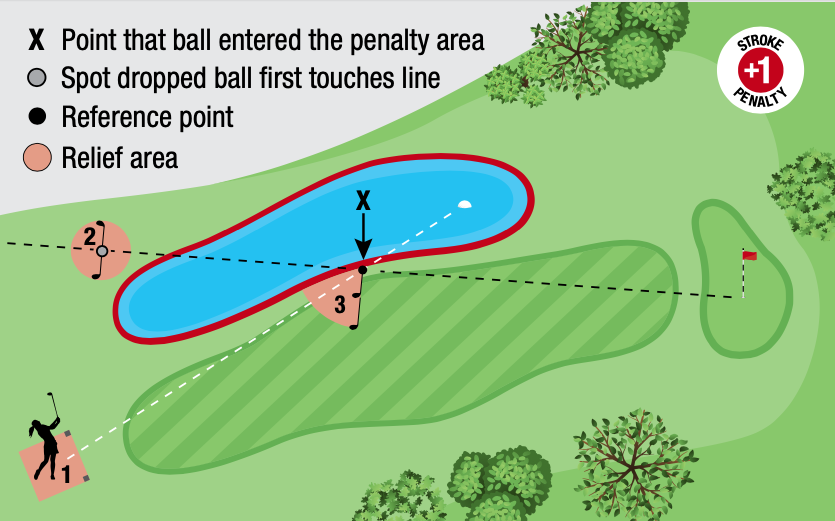
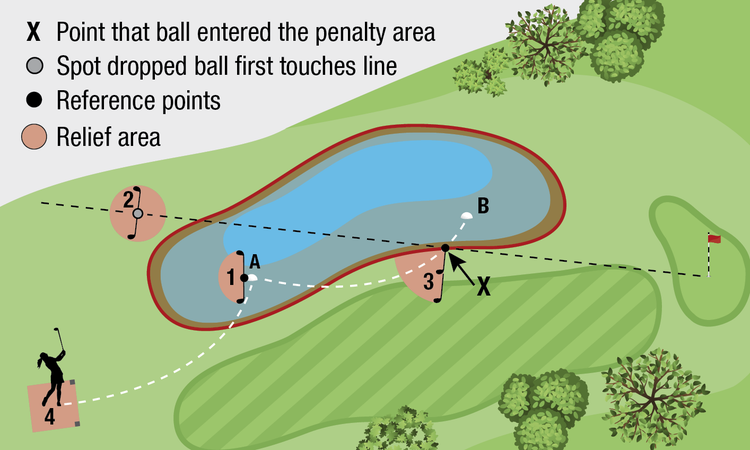
When your ball lands in a penalty area, you have options:
- Play the ball as it lies (if possible)
- Take stroke-and-distance relief (replay from previous spot)
- Drop outside the hazard with a one-stroke penalty
Bunkers

- You cannot touch the sand with your club before the stroke
- You may remove loose impediments carefully
- You can take relief outside the bunker (with a penalty)
Putting Green


- You can mark, lift, and clean your ball
- You may repair ball marks and spike marks
- Leaving the flagstick in while putting is now allowed
Common Penalties to Know
Most penalties in golf fall into two categories:
- One-Stroke Penalty
- Ball lost or out of bounds
- Ball in a penalty area
- Unplayable lie
- Two-Stroke Penalty (Stroke Play)
- Improving your lie
- Playing from the wrong place
- Using illegal equipment
Pace of Play & Etiquette
While not always strictly penalized, etiquette is a huge part of golf:
- Be ready to play when it’s your turn
- Don’t distract other players
- Repair divots and ball marks
- Keep up with the group ahead
Slow play is one of the biggest issues in modern golf, and many courses now enforce stricter pace guidelines.
When in Doubt: Know Your Options
If you're unsure about a rule during a round:
- In casual play: Agree with your group on a fair solution
- In competition: Play two balls and ask for a ruling after the round
Final Thoughts
Golf’s rules may seem overwhelming at first, but they’re built on fairness and consistency. The more you play and encounter different situations, the more intuitive they become.
If you want to deepen your knowledge, consider downloading the official rules app:
Mastering the rules won’t just make you a better golfer—it will make you a smarter one


